
Implement, automate and manage your entire business with ERPNext — supported by a team that understands businesses in Uganda and across East Africa.
ERPNext implementation partner · Kampala, Uganda
Powering Smarter Businesses with ERPNext in Uganda
✓ No per-user licence fees ✓ UGX & multi-currency ✓ Local support in Kampala
Across Uganda
Built for the way Ugandan businesses trade
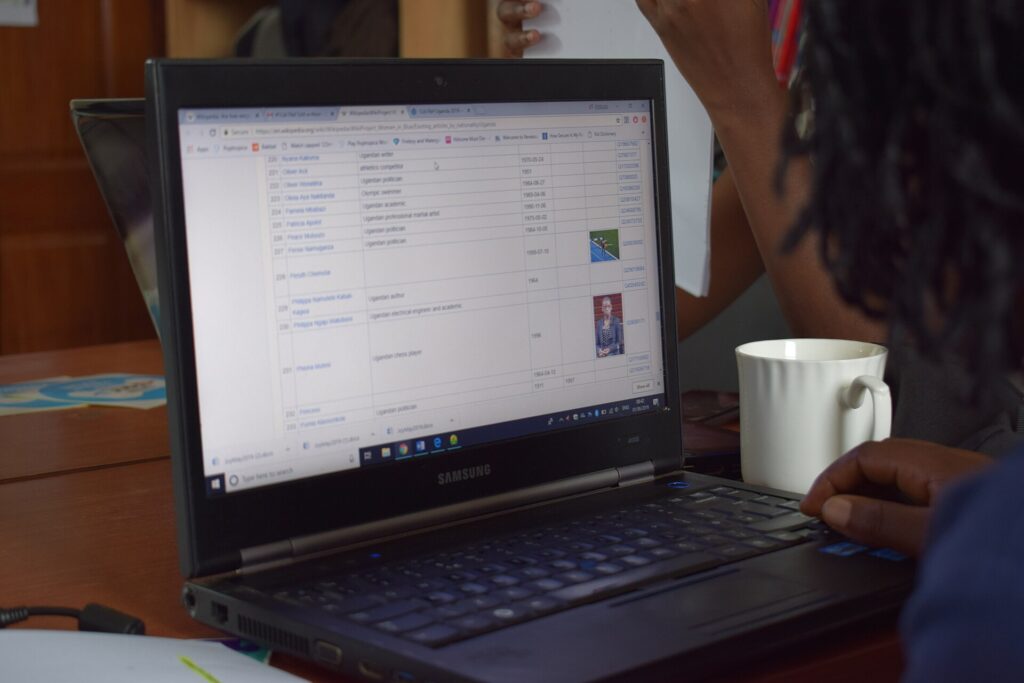
From market traders in Kampala to processors upcountry, we configure ERPNext around real operations — UGX and USD, mobile money, branches and depots.

01
Retail & markets
POS, stock and daily takings per outlet.
02
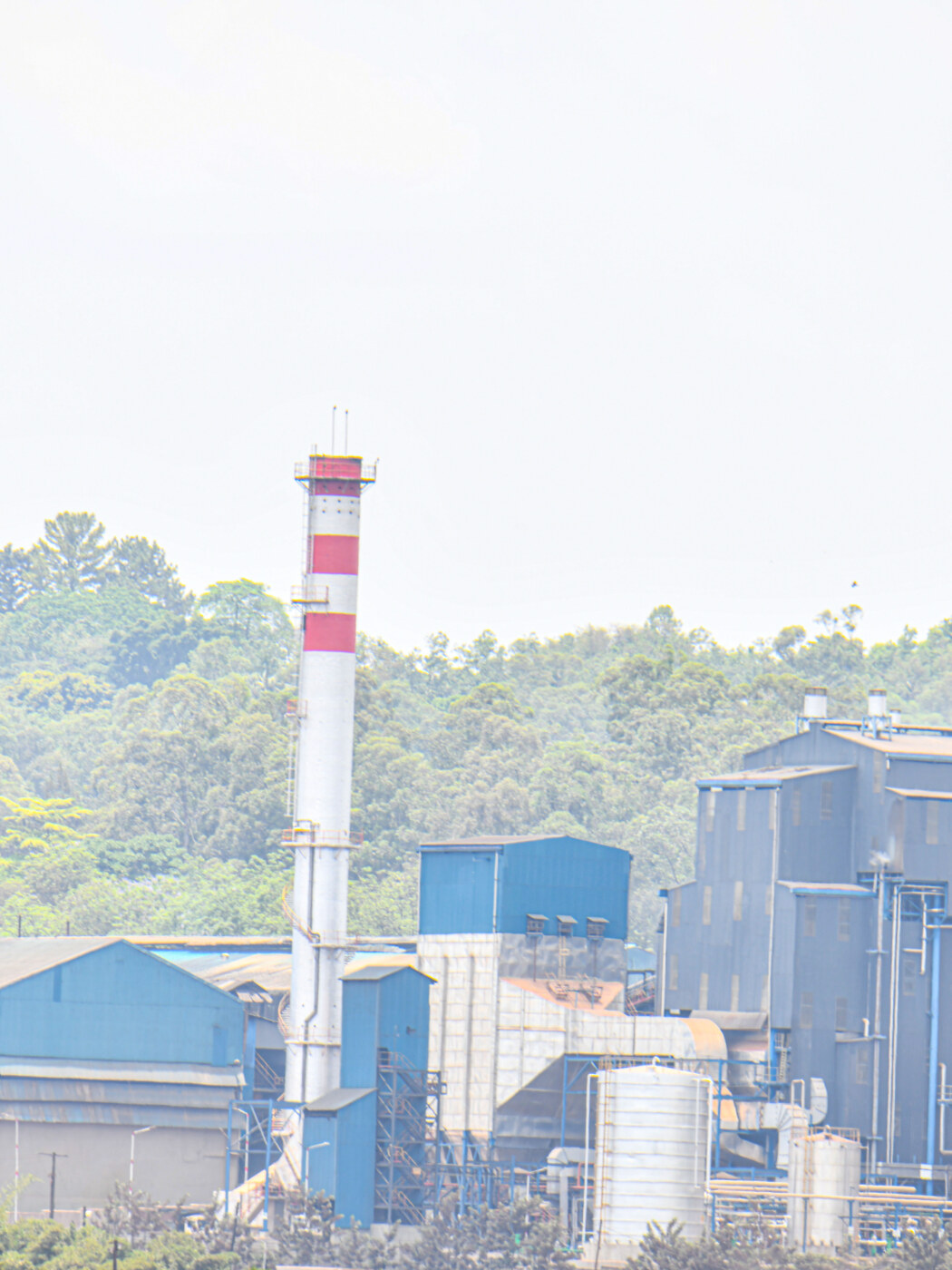
Manufacturing
Production, costing and quality in one flow.
03
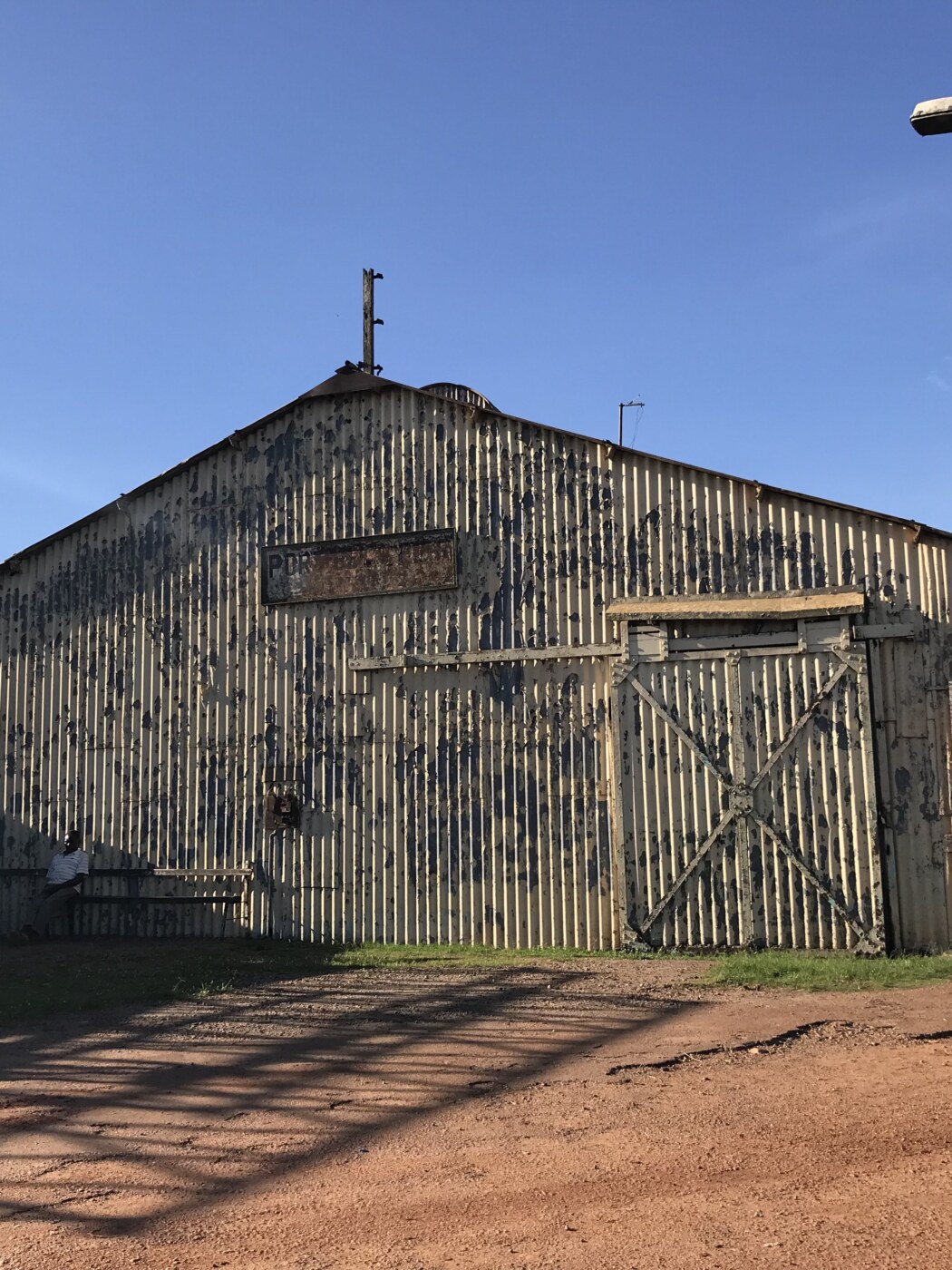
Distribution
Depots, transfers and credit control.
04
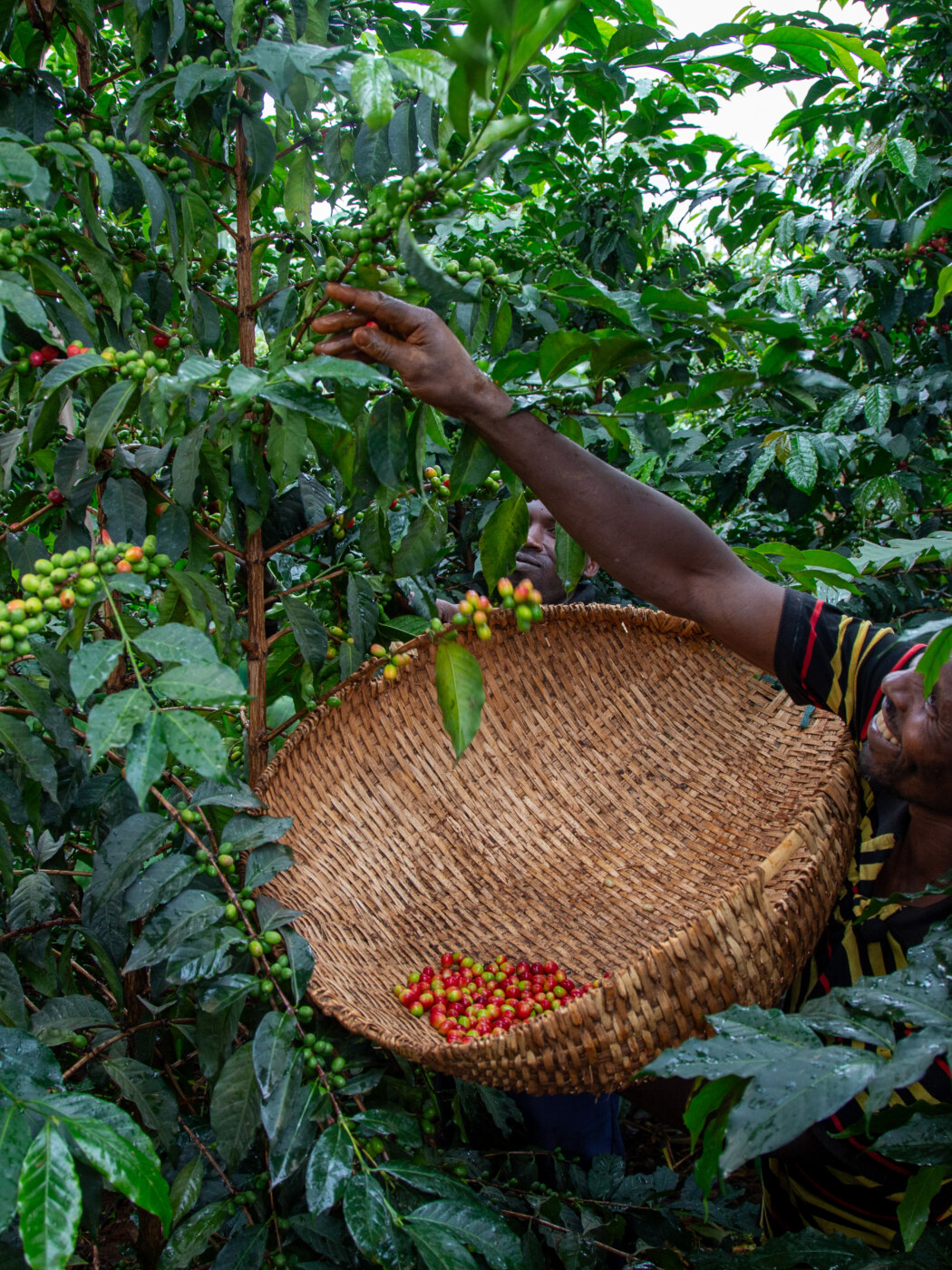
Agriculture
Produce buying, processing and sales.
The platform
What is ERPNext?
ERPNext is an open-source enterprise resource planning (ERP) platform. It replaces the separate spreadsheets, accounting packages and paper registers most businesses run on with one system, where a sale updates stock, the ledger and the customer record at the same time.
Because it is open source, there is no per-user licence fee. You pay for setting it up properly, hosting it and supporting your team — which is the work we do.
- Accounting
- CRM
- Sales
- Purchasing
- Inventory
- HR
- Payroll
- Manufacturing
- Projects
- Assets
- Point of Sale
Why ERPNext
One system that grows with the business
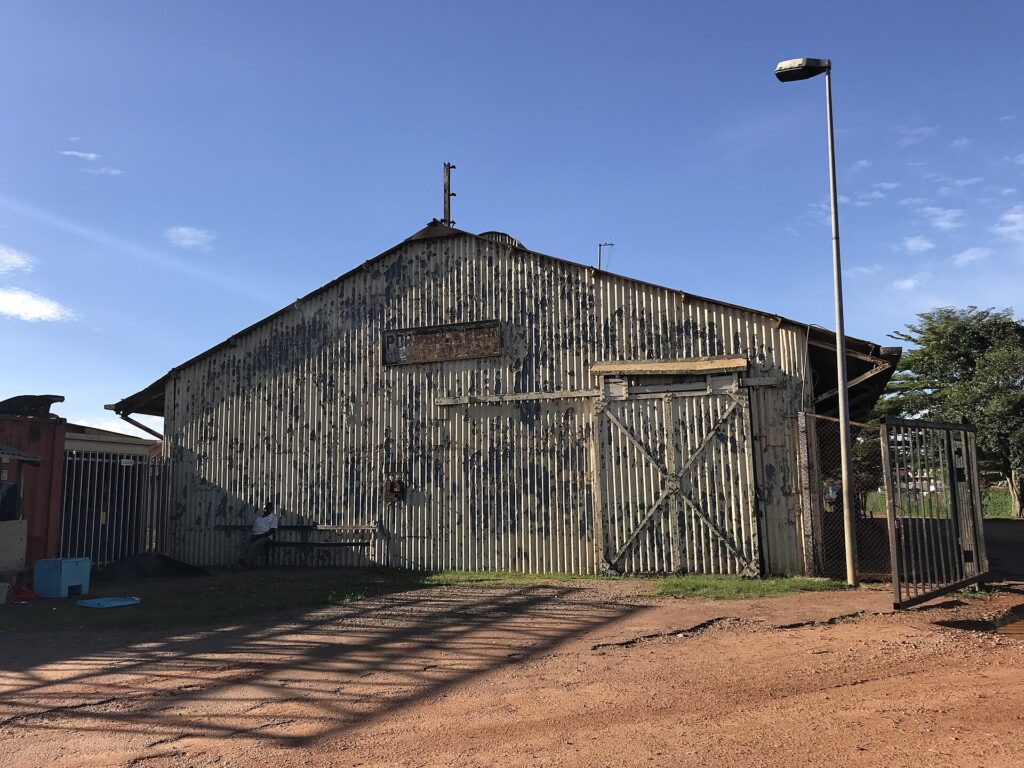

“When a sale is recorded, stock, accounts and the customer record update together.”
Modules
ERPNext modules we implement
Services
Our ERPNext Services
Industries
Industries We Serve
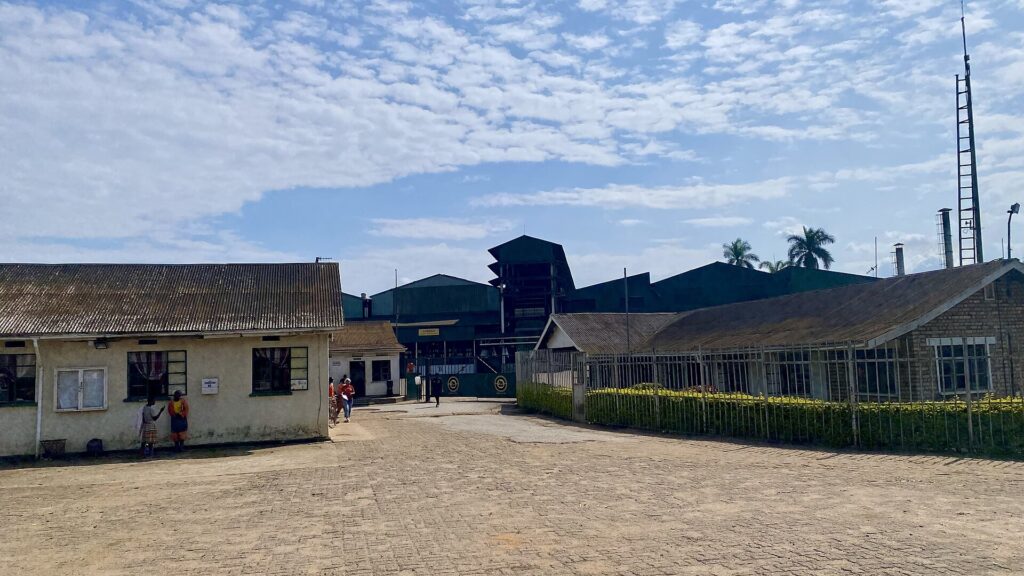
ERPNext is configured differently for a distributor in Kampala, a processor in Mbale and an NGO in Gulu. These are the sectors we set it up for most often.

Why us
Why Choose ERPNext Uganda?
How we work
ERPNext Implementation Process
01
Discovery
We learn how your business runs and what needs to change.
02
Business Analysis
Processes, documents and reports are mapped department by department.
03
Solution Design
A written design shows how each process will work in ERPNext.
04
Configuration
Companies, accounts, taxes, warehouses and users are set up.
05
Customization
Workflows, print formats and reports are built where needed.
06
Data Migration
Opening balances, masters and history are imported and reconciled.
07
Training
Each team learns its own steps on its own data.
08
Testing
Your staff run real scenarios end-to-end and sign off.
09
Go Live
You switch over, with our team on hand for the first weeks.
10
Support & Optimization
We fix, refine and add modules as the business grows.
Projects
Case studies
Placeholder case studies — replace with real, client-approved projects before launch.
Manufacturing · Kampala · Placeholder
Food processor brings production and stock onto one system
Challenge
Raw-material usage and finished goods were tracked in separate spreadsheets, so batch costs were estimates.
ERPNext solution
Bills of materials, work orders and batch tracking linked to purchasing and accounts.
Results
[Replace with measured results, e.g. change in month-end close time or stock variance]
Modules: Manufacturing, Inventory, Accounting
Distribution · Central Region · Placeholder
Wholesaler gains control of credit and branch stock
Challenge
Three depots, manual stock transfers and customer credit tracked on paper.
ERPNext solution
Multi-warehouse inventory, credit limits, route sales and mobile money payment recording.
Results
[Replace with measured results, e.g. change in month-end close time or stock variance]
Modules: Sales, Inventory, CRM

NGO · Northern Uganda · Placeholder
NGO reports to several donors from one ledger
Challenge
Donor reports were compiled by hand from separate project spreadsheets.
ERPNext solution
Cost centres and accounting dimensions per project and donor, with payroll and procurement approvals.
Results
[Replace with measured results, e.g. change in month-end close time or stock variance]
Modules: Accounting, Projects, Payroll
What clients say
“[Placeholder testimonial] Describe what changed for the client after go-live, in their own words.”
— [Client name], [Role], [Company]
“[Placeholder testimonial] Add a short, approved quote about the training or support experience.”
— [Client name], [Role], [Company]
“[Placeholder testimonial] Add a quote about results, reporting or time saved.”
— [Client name], [Role], [Company]
Quick answers
ERPNext in Uganda, in brief
What is ERPNext?
An open-source ERP system that runs accounting, sales, stock, HR, payroll and more in one platform, with no per-user licence fee.
Who should use ERPNext in Uganda?
SMEs and larger organizations that have outgrown spreadsheets or a standalone accounting package, especially those with several branches, warehouses or departments.
How much does ERPNext implementation cost in Uganda?
It depends on scope: modules, users, customization and data migration. ERPNext Uganda provides a fixed quote in UGX after a free discovery session.
How long does ERPNext implementation take?
From a few weeks for a focused small-business rollout to several months for multi-department or multi-company projects.
What ERPNext modules are available?
Accounting, CRM, Sales, Buying, Inventory, Manufacturing, HR, Payroll, Projects, Assets, Point of Sale, and Website & E-Commerce.
Can ERPNext be customized for Ugandan businesses?
Yes. Workflows, documents, reports and tax templates can be configured to support your organization’s accounting and tax workflows.
Does ERPNext support multiple currencies?
Yes. You can keep books in UGX while transacting in USD, KES and other currencies.
Does ERPNext support businesses in Uganda?
Yes. ERPNext is used worldwide, and ERPNext Uganda provides local implementation, training, hosting and support from Kampala.
Ready to Transform Your Business?
Let’s discuss how ERPNext can simplify your operations, improve visibility and help your business grow.